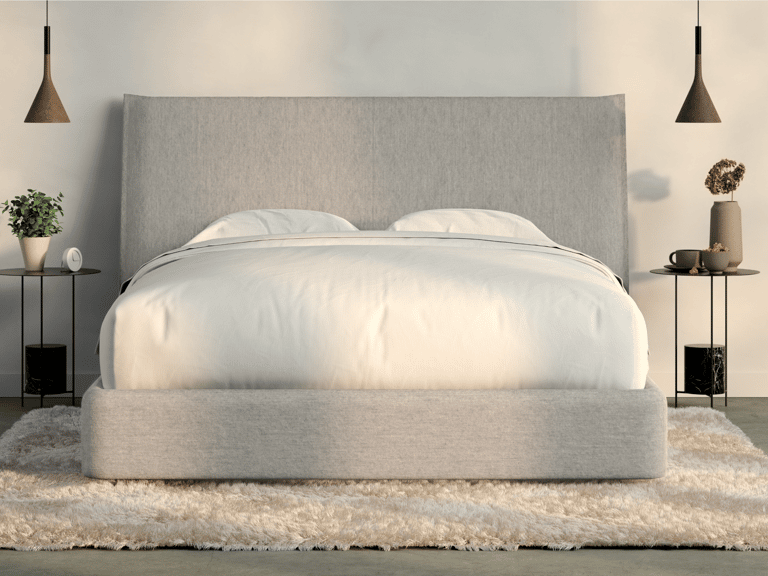
Haven Bed Frame
Sleep easy on a modern, clean look with premium felted wool and a sturdy hardwood frame—no box spring needed, effortless setup, and long-lasting support for solid, comfortable nights.
Explore a thoughtful, evidence-informed approach to maintaining a clean bedroom that supports restorative sleep. This guide offers simple weekly routines, printable checklists, and sleep-hygiene tips designed to feel achievable, not overwhelming.
The idea of a “clean bedroom” extends beyond mere tidiness. It is a daily practice that quiets the mind and optimizes the environment in which we rest. Built on three pillars—consistency, airflow, and control—the routine anchors a restful night by minimizing variables that disrupt sleep. In an age of choices, routines offer a compass. The goal is not perfection but a dependable, repeatable pattern that makes a real difference in how you feel each morning.
To frame this guide with editorial clarity, we draw on voices across time. Each contributor provides a lens on cleanliness, space, and sleep—showing how a disciplined approach to one room can ripple outward into daily life.
Across centuries, thinkers and observers have noted how our spaces shape our experiences. Here are three key figures whose ideas resonate with the discipline of a clean room—and whose insights echo in practical routines today.
These voices illuminate the idea that a clean bedroom is not a luxury, but a living practice—one that yields quiet, clarity, and improved sleep through consistent ritual.
The structure below translates the summary ideas into actionable steps you can adopt with minimal friction. The cadence is intentionally simple: five minutes of daily reset, a compact weekly routine, and seasonal touches that recalibrate humidity and light to optimize sleep conditions.
Use this streamlined plan to anchor your weekly routine. It’s designed to be printable or easily stored as a digital habit tracker.
Outlook and practice matter as much as product choices. Reducing allergens, managing humidity, and keeping a cool, dark sleep environment are essential to a restorative night’s sleep. The following tips reinforce the science of sleep hygiene without medicalizing the experience.
To make these ideas tangible, we provide a printable weekly checklist below that can be saved as a habit tracker. This is designed to be practical for a busy household while retaining the ritual’s soothing value.
Print or download this compact checklist to guide your weekly routine. Each item is crafted to be achievable in under an hour, with emphasis on consistency over intensity.
Tip: Keep a small refillable spray bottle with a gentle cleaning solution and a microfiber cloth near your bedside for quick, unobtrusive touch-ups.
While this article is non-commercial in spirit, a handful of thoughtfully designed, non-promotional items can support these routines without creating clutter. Among the featured items is Haven Bed Frame, a refined platform that emphasizes clean lines and durable support, crafted with felted wool upholstery for a calm, uncluttered aesthetic. The Haven Bed Frame’s minimalist silhouette anchors the room, complementing a clean, breathable sleep environment.
Solid foundation with felted wool upholstery. No foundation or box spring required, designed for enduring stability and a modern, clean look.
Price: $1,895.00
Cotton terry with waterproof finish; elasticized sides fit up to 17" deep mattresses, machine washable.
Price: $95.00
These items illustrate how a few carefully selected pieces can contribute to a room’s clean, uncluttered feel while supporting practical routines. When selecting furnishings and textiles, prioritize those that are easy to clean, maintain, and store, allowing your space to stay calm and conducive to sleep.
To sustain a clean bedroom without feeling overwhelmed, embrace a rhythm that respects your time, space, and energy. The following principles can help you maintain a tranquil, sleep-friendly environment over the long term:
The article’s emphasis on sleep-friendly cleanliness is grounded in practical routines that align with sleep hygiene best practices. While the text presents accessible recommendations, it remains mindful of avoiding medicalized language. For readers seeking deeper, evidence-based explorations of dust, allergens, and sleep quality, we encourage consulting peer-reviewed research and healthcare guidance tailored to your circumstances.
A clean bedroom is not merely a matter of appearance; it is a disciplined approach to environmental hygiene that can sharpen focus, stabilize routines, and improve sleep quality. By combining a daily five-minute reset with a straightforward weekly plan, and by integrating sleep-friendly habits into your seasonal routine, you create a space where rest can flourish. The timeless impulse to arrange, declutter, and refresh—voyaged through voices from Nightingale to Jacobs to the modern habit-maker—remains a powerful, gentle craft. The goal is not perfection, but a durable, repeatable rhythm that guides you toward calmer mornings and deeper, more restorative nights.