The crib mattress category focuses on providing safe, durable sleep surfaces designed specifically for infants and young children. When evaluating options, consider materials, core support, and barrier properties that influence spinal alignment and moisture management. Understanding standard crib dimensions and ventilated core designs helps caregivers select compatible, long-lasting beds for early development stages.
Key features to examine include organic and non-toxic cover materials, as well as breathable cores that promote airflow and regulate temperature. Hypoallergenic fabrics, easy-clean surfaces, and reinforced edges contribute to a hygienic sleep environment. These attributes support restful sleep while reducing the risk of irritation or allergies in sensitive pediatric populations.
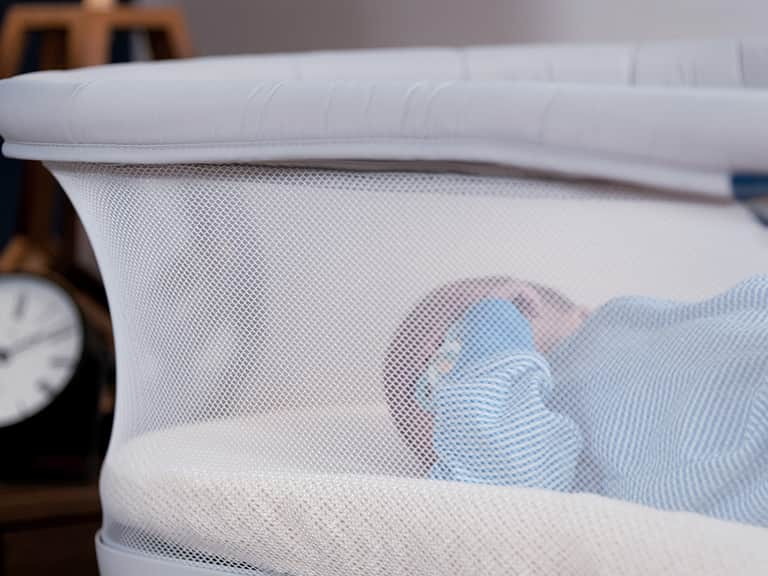
For bassinets and portable sleep solutions, compatible designs like the Naturepedic Organic Breathable Bassinet Mattress provide indicators of suitability, such as bassinet-specific thickness, firm support, and low VOC emissions. Assess how the mattress maintains firmness under infant movement and its ability to resist sagging over time, which are essential for safe, consistent support.
Understanding maintenance and longevity is also important. Look for removable, washable covers and straightforward cleaning protocols that preserve fabric integrity and minimize staining. Durable stitching and waterproof barrier layers can protect against moisture, while ensuring the mattress remains safe and supportive as a child grows or transitions between sleep environments.
Meta keywords such as bedding, pillows, sheets, duvet covers, and organic mattresses reflect related sleep essentials and highlight the broader context of a clean, safe sleep ecosystem. In particular, characteristics of cribs and bassinet mattresses influence overall sleep quality, indoor air quality, and ease of routine care within a healthy bedroom environment.
 Nursery